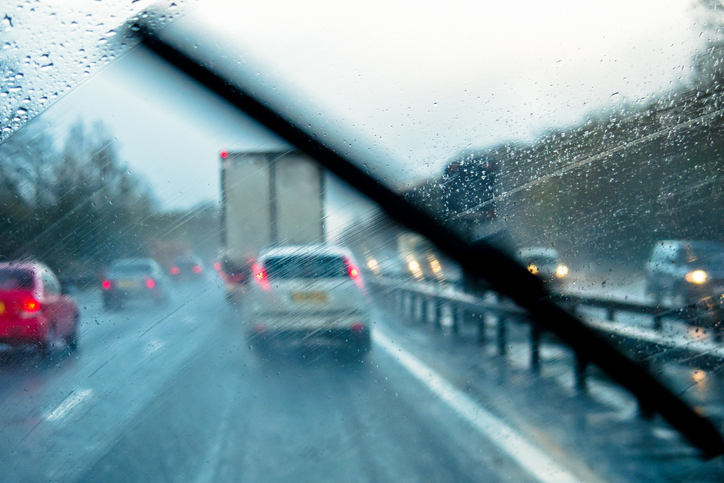
Abidjan Grand-Bassam Drive after rain offers a scenic coastal excursion, but drivers should prepare for wet roads, reduced visibility, and possible flooding.
Ivory Coast: Driving the Coastal Route From Abidjan to Grand-Bassam After the Rain
The drive from Abidjan to Grand-Bassam is one of the most accessible coastal excursions in Côte d’Ivoire, combining a relatively short road journey with beaches, historic sites and the atmosphere of the former colonial capital. The Abidjan–Grand-Bassam route has also become an important tourism connection, with the new motorway providing access to Grand-Bassam’s historic and coastal attractions.
After rainfall, however, the journey requires a little more preparation. Coastal areas including Abidjan and Grand-Bassam can experience significant rainfall, and authorities have identified these areas among locations where excess rainfall can increase flooding risks.
For drivers, Abidjan Grand-Bassam Drive after rain is best approached as a relaxed excursion rather than a trip where speed is the priority.
Start With a Quick Vehicle Check
Before leaving Abidjan, check the tyres, windscreen wipers, headlights, brakes and fluid levels. Rain can reduce visibility and increase stopping distances, making good tyres and functioning wipers particularly important.
Côte d’Ivoire’s road-safety authorities specifically advise motorists to check windscreen wipers, braking systems and tyres during rainy conditions. They also recommend reducing speed and maintaining a safe following distance.
For Abidjan Grand-Bassam Drive, these simple checks can make the journey more comfortable after a heavy shower.
Take Your Time on Wet Roads
Rainwater can remain on parts of the road after a storm, while puddles may hide uneven surfaces or drainage problems. Drivers should avoid sudden acceleration, harsh braking and abrupt steering movements.
The country’s road-safety authorities recommend moderate speeds during rainfall because visibility can fall and braking distances can increase.
Leave Extra Following Distance
Traffic can slow quickly when visibility deteriorates or when vehicles encounter standing water. Leaving additional space from the vehicle ahead gives you more time to react.
Avoid unnecessary overtaking, particularly when spray from other vehicles makes it difficult to see the road ahead.
Enjoy Grand-Bassam’s Historic Side
Once you reach Grand-Bassam, the excursion can extend beyond the beach. The city’s historic Quartier France is a UNESCO World Heritage site and forms an important part of Côte d’Ivoire’s cultural tourism offering. Government tourism material highlights Grand-Bassam’s historic district alongside its coastal attractions.
After rain, walking around the historic area can offer a different atmosphere, with cooler temperatures and fewer harsh reflections from the sun.
For Abidjan Grand-Bassam Drive, the combination of a short road journey and cultural sightseeing makes the destination suitable for a relaxed day trip.
Be Careful Around Standing Water
Drivers should never assume that every flooded section is shallow enough to cross. Water can conceal potholes, damaged road surfaces or deeper sections.
If water covers a road and its depth or condition cannot be judged safely, turning around is preferable to risking engine or electrical damage.
Rain-related flooding remains a recognized concern around the Abidjan and Grand-Bassam area, particularly during periods of heavier rainfall.
Keep the Car Clean After the Trip
Coastal driving exposes the vehicle to moisture, mud, and potentially salty air. After the excursion, rinse the lower body, wheel arches and underbody if the car has picked up substantial dirt or coastal deposits.
Checking the brakes after driving through significant standing water is also worthwhile once conditions are safe.
Choose a Car Suited to the Excursion
A normal well-maintained passenger car is generally suitable for the main paved route to Grand-Bassam, while additional ground clearance can become useful if an excursion includes poorly surfaced side roads or beach-area access.
Drivers comparing vehicles for coastal excursions and everyday use can explore africargroup auto24 when checking different models and specifications.
Plan the Return Journey
The return trip deserves the same attention as the outward journey. Drivers should allow enough time to return before visibility becomes poor and should account for traffic around Abidjan.
Road-safety authorities advise motorists to remain cautious during rainy conditions and avoid dangerous overtaking or sudden manoeuvres.
Planning a departure time outside the busiest traffic periods can also make the excursion more relaxed.
Conclusion
Abidjan Grand-Bassam Drive after rain can be an enjoyable coastal excursion when drivers prepare properly. Checking the car, slowing down on wet roads, maintaining extra following distance, and avoiding uncertain floodwater can make the journey safer.
Once in Grand-Bassam, visitors can combine the coastal atmosphere with the historic Quartier France and other attractions before returning to Abidjan.
Have you driven from Abidjan to Grand-Bassam after heavy rain? What do you enjoy most about the route: the coastal scenery, the historic streets, the beaches, or the drive itself? Share your experience in the comments and tell us your best rainy-day driving tip for this route.