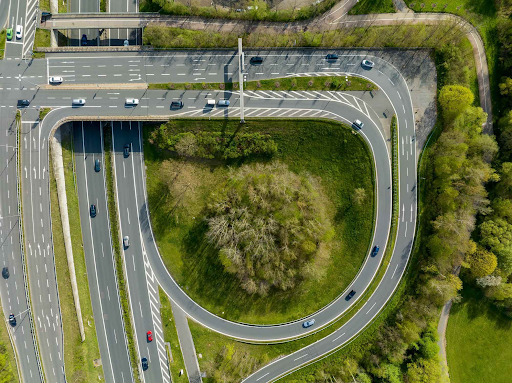
Abidjan’s urban tree cover is changing as road projects expand, affecting shade, drainage, traffic conditions, and the experience of car travel across Ivory Coast’s largest city.
How Abidjan’s Expanding Roads Are Changing Ivory Coast’s Urban Tree Cover and Car Travel
Abidjan is continuing to expand its road infrastructure as Ivory Coast responds to population growth, congestion and rising demand for urban mobility. Major projects include new roads, interchanges, bridges and expressway connections. The PTUA reports that more than 86 km of roads have been constructed across six major projects, alongside 43 structures and interchanges.
This development can make daily driving easier by improving connections between different parts of the city. However, road construction also changes vegetation alongside major routes. The future of Abidjan Urban Tree Cover therefore matters not only to environmental planning in Ivory Coast but also to motorists dealing with heat, rain, dust, and changing roadside conditions.
Road Expansion Can Reduce Existing Vegetation
Building wider roads and interchanges requires space. During construction, vegetation can be removed to create road corridors, junctions, drainage systems and pedestrian infrastructure. Environmental assessments for Abidjan transport projects have identified possible vegetation-cover losses, dust, noise, soil erosion and other construction-related environmental effects.
The issue is important because some existing roads and settlements already have limited shade trees. World Bank research on urban areas in Ivory Coast has highlighted inadequate green space and roads without sufficient shade trees as environmental concerns.
For drivers, fewer mature trees can make exposed roads feel considerably hotter, especially when vehicles are moving slowly in traffic. This makes roadside greenery an increasingly relevant consideration as Abidjan continues to develop.
Trees Can Make Urban Driving More Comfortable
Urban trees provide benefits beyond appearance. Green spaces can help reduce heat, filter some air pollutants and dust, and slow stormwater runoff. Research cited by the World Bank also links greater tree cover with reduced stormwater runoff and lower urban heat-island effects.
That matters for Abidjan Urban Tree Cover because heavy rainfall can create difficult driving conditions when roads and drainage systems become overwhelmed. Trees and landscaped areas cannot replace proper drainage, but vegetation can form part of a broader approach to managing urban water in Abidjan and other growing cities across Ivory Coast.
Drivers may also notice the difference on roads with established roadside greenery. Shaded sections can be more comfortable for motorists, pedestrians and people waiting beside busy roads, particularly during hot periods.
Roadside Landscaping Can Help Replace Lost Greenery
Road expansion does not necessarily mean every project must leave Abidjan with less vegetation. Existing road interchanges demonstrate that greenery can be incorporated into major transport infrastructure. A study of 10 road interchanges identified 42 plant species and 1,767 tree stems, while recommending greater use of diverse indigenous species in future urban greening.
This creates an opportunity to connect Abidjan Urban Tree Cover with road design. New medians, interchange areas and pedestrian corridors can include appropriate trees and vegetation where engineering requirements allow.
For car users, properly designed landscaping can also improve the visual character of long urban routes without interfering with visibility, signs or road safety. Selecting suitable local plant species can further help roadside greenery adapt to Abidjan’s climate.
Better Roads Can Also Change Car Travel
Abidjan’s road expansion is closely connected to the city’s traffic challenges. Previous assessments identified congestion, rising vehicle numbers and inadequate transport infrastructure as major urban mobility problems.
New road connections can shorten some journeys and provide alternative routes. At the same time, easier vehicle movement can increase traffic volumes in developing corridors. This means Abidjan Urban Tree Cover should be considered alongside mobility planning rather than treated as a separate environmental issue.
For motorists, changing road infrastructure also means adapting to new traffic patterns. Drivers can keep track of construction zones, temporary diversions and changing road layouts before travelling. Checking tyres, brakes and cooling systems is also useful when journeys involve long periods in slow-moving traffic.
Cars and Ivory Coast’s Greener Future
The relationship between roads and vegetation will become increasingly important as Abidjan continues developing. Transport projects are intended to improve mobility, while environmental planning can help ensure that new infrastructure does not unnecessarily reduce valuable urban greenery.
For motorists, Abidjan Urban Tree Cover can influence everything from roadside shade and heat to drainage and the overall comfort of daily journeys. As Ivory Coast’s largest city continues investing in transportation infrastructure, combining road improvements with thoughtful urban landscaping could help create a more comfortable environment for both vehicles and people.
Car owners looking for vehicles suited to Abidjan’s changing urban environment can also explore options through AfriCarGroup Auto24.
Conclusion
The expansion of Abidjan’s roads is reshaping how people and cars move around the city while also changing the urban environment. The challenge for Ivory Coast is to improve road capacity while retaining and rebuilding useful greenery.
Protecting mature trees where possible and incorporating suitable vegetation into new infrastructure can help create roads that serve motorists while supporting a healthier urban environment. For Abidjan, future road development can therefore be an opportunity to combine better mobility with stronger urban greenery.
What do you think Abidjan should prioritize when expanding its roads: more driving space, more roadside trees, or a balance between the two? Share your thoughts in the comments.